Google ROAS
12x+
Across our travel accounts we have driven north of 12x return on ad spend on search and PMax.

You own the boat, the berth and the route. In a category where airlines and booking platforms outspend everyone, that is a rare position: you are the experience, not a reseller of someone else's.
We looked at where the money moves in Australian travel & tourism, and where an operator with physical assets like yours quietly wins on cost per booking.
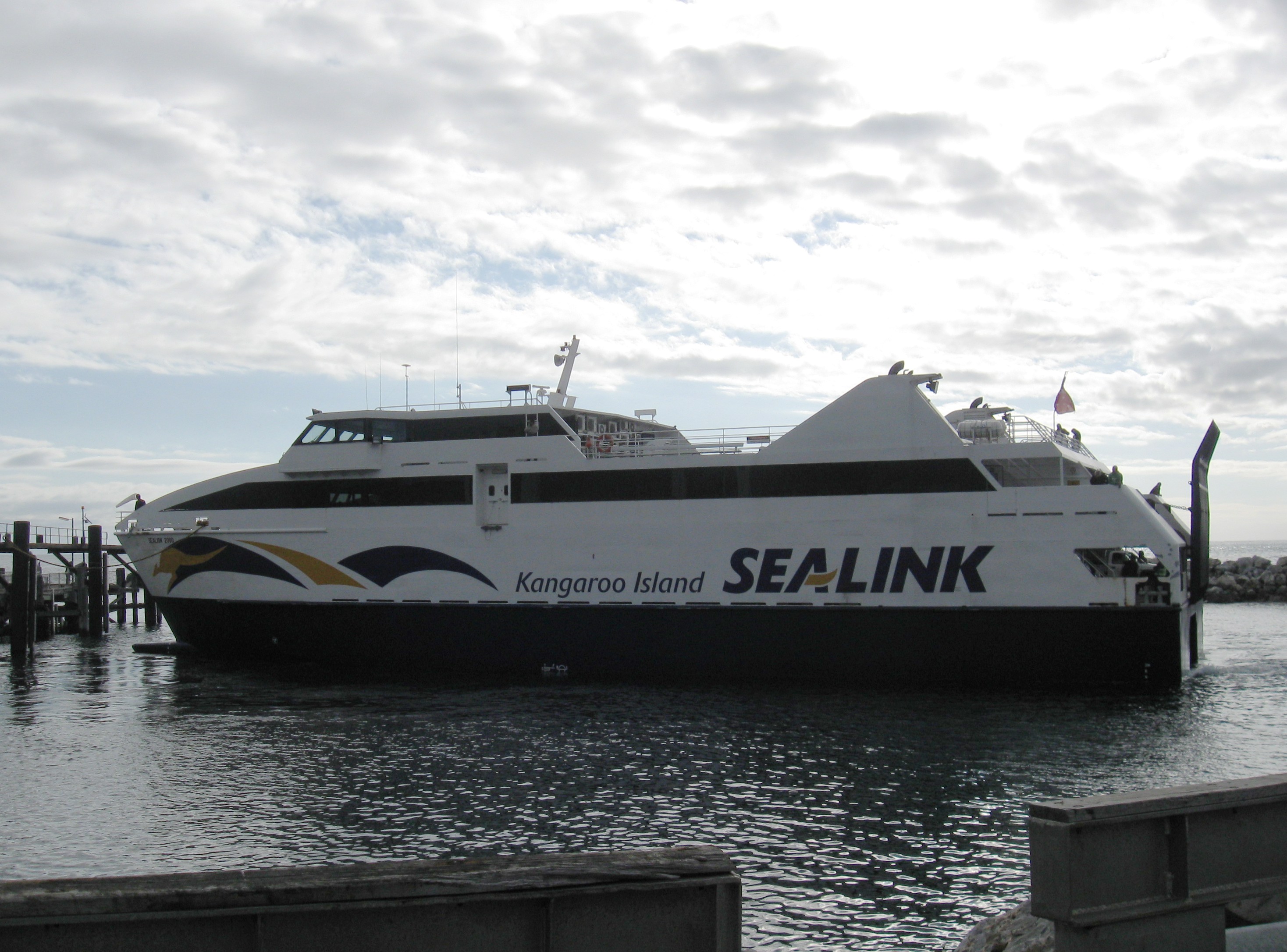 Wikimedia Commons
Across the category, OTA and booking platforms poured roughly $126M into media (Nielsen Ad Intel, as at Dec 2025). Every one of those dollars is spent to intercept a traveller before they reach the operator. When someone books a Kangaroo Island crossing or a harbour cruise through a third party, you deliver the experience and hand over margin on the sale.
You have the one thing they do not: the vessel, the schedule and the moment of the journey itself. That is a direct-booking advantage most tour operators would pay dearly for.
SeaLink lives between two big-spending category segments: tour operators and cruise lines. Here is the shape of the auction you enter every time a high-intent traveller starts searching.
The named players spend at national scale; your edge is category and route specificity, not volume. · Source: Nielsen Ad Intel, as at Dec 2025
Want to see which of these players is actually bidding on your route and destination terms right now?
Let's talkTravel & tourism still tips more into newspapers than into digital and social. For an operator selling a visual, experiential product to travellers who research and book on a phone, that gap is an opening.
Newspapers and TV still absorb the majority; the intent-driven channels are underweighted. · Source: Nielsen Ad Intel, as at Dec 2025
These are our delivered results across travel & tourism accounts, kept deliberately loose. Directional, not a promise, but real numbers a competitor cannot find on Google.
Sunny first-party benchmark, as at Jun 2026. Anonymised, directional, not spend-weighted.
Ferry and day-cruise intent spikes the night before and the morning of travel. Weighting budget to those windows lifts conversion in a way a flat daily cap never will.
A sunny forecast on the coast is a demand event. Feeding forecast data into bid strategy pulls forward last-minute leisure bookings competitors leave on the table.
Your scheduled services and your experiences need separate campaigns. Blending them buries a high-frequency commuter audience under a high-margin leisure one, and dilutes both.
When a booking platform can undercut or match your own price on your own route, you are paying to send customers to a channel that clips your margin. Owned-rate advantages need protecting in the auction.
Travellers search "Kangaroo Island" long before they search "SeaLink". Owning the destination term, not just the brand term, is where the cheap, high-intent volume hides.
The category peaks in January, so the auction heats up months earlier. The accounts that lock in remarketing pools by spring win the summer at a lower cost.
Map where third-party platforms intercept your highest-margin routes, then build owned-channel campaigns that win the click before the OTA does. The margin difference on a recovered booking dwarfs the media cost.
Build the search and social footprint around the islands, harbours and experiences people research first. That is the cheap high-intent traffic the airlines and OTAs are not fighting you for.
The category still over-indexes on newspapers. Your product is visual and mobile-booked. Moving spend into intent-driven digital and social at single-digit CPMs buys reach the category is leaving on the table.
Everything above is what we can read from the outside. The real leverage shows up when we plug into your booking data, route economics and margin by channel.
We've done this for travel & tourism brands right across Australia. See the campaigns, and the results, for yourself.
Check out our success storiesThe lever is your OTA and reseller mix. Every booking recovered onto an owned channel keeps the commission you currently hand over. Assume even a modest share of your third-party bookings shifts direct at the cost efficiencies we see across travel accounts, and the recovered margin lands north of seven figures a year. It is the first number we would chase, because it needs no new customers, only a change in where the existing ones book.
Give us thirty minutes and your channel mix, and we will show you exactly where the recoverable margin sits.
Just hit replyWhich competitors and platforms are bidding on your routes and destinations.
What shifting a share of third-party bookings onto owned channels is worth to your margin.
Where we would start, what we would test, and what good looks like by summer peak.